

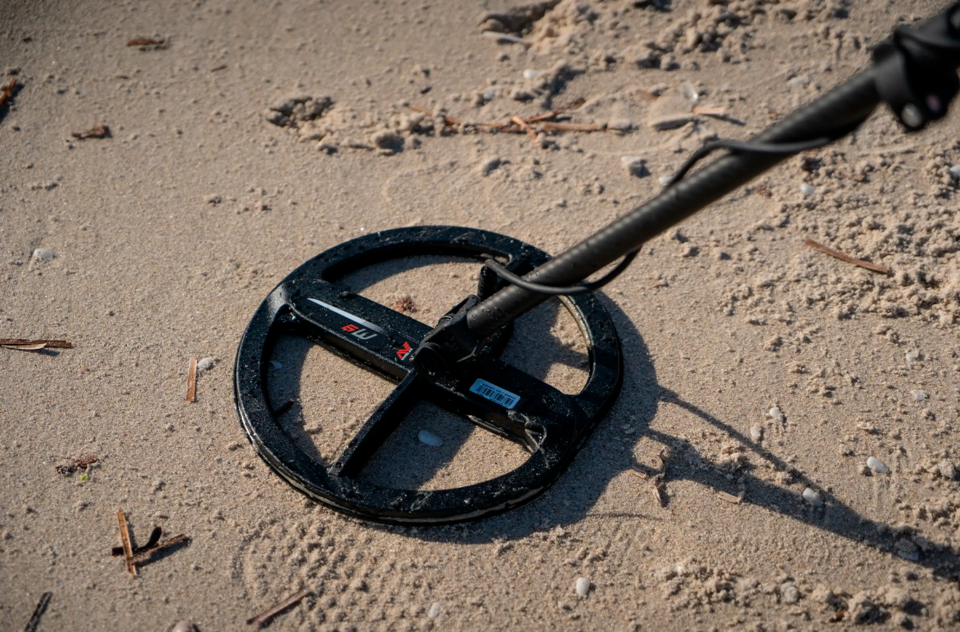
Metal detecting is a favorite pastime for hobbyists, history enthusiasts, and professional treasure hunters. Using a reliable, high-performing metal detector can make all the difference in finding coins, jewelry, relics, or hidden treasures. In 2025, advances in detector technology have produced models that are more accurate, versatile, and user-friendly than ever.
This guide outlines the best rated metal detectors recommended by treasure hunters, along with step-by-step guidance on selecting the right detector and maximizing your success in the field.
Step 1: Understand the Importance of Choosing a Reliable Detector
A metal detector is an investment in your hobby or profession. Treasure hunters recommend devices that offer:
- Accuracy: Pinpointing valuable targets quickly and efficiently.
- Depth Detection: Reaching objects buried deeper underground.
- Discrimination: Filtering out trash metals to focus on coins, relics, and jewelry.
- Durability: Withstanding rugged outdoor conditions.
- Ease of Use: Intuitive controls for beginners and advanced settings for professionals.
Choosing a detector with these qualities ensures a more productive and enjoyable treasure-hunting experience.
Step 2: Determine Your Treasure Hunting Goals
Before buying a detector, clarify what you want to achieve:
- Coin Collecting: Look for detectors with good sensitivity to small metallic objects.
- Relic Hunting: Choose devices with strong depth and target separation in trashy soils.
- Gold Prospecting: High-frequency detectors with advanced ground balance are ideal.
- Beach or Water Hunting: Waterproof models are essential.
Your goals will help narrow down the options and match you with the best detector for your needs.
Step 3: Set a Budget
Metal detectors vary widely in price, and it’s important to set a budget:
- Entry-Level ($150 – $300): Suitable for beginners or casual hobbyists.
- Mid-Range ($300 – $800): Offers advanced features and better depth detection.
- Professional ($800+): High-performance detectors with multi-frequency capabilities and premium construction.
Setting a budget helps you balance features and price, ensuring you get the best value.
Step 4: Evaluate Key Features
Treasure hunters recommend looking for detectors with these key features:
- Frequency Options: Multi-frequency or adjustable frequency for diverse targets.
- Ground Balance: Automatic or manual adjustment to handle mineralized soil.
- Target ID: Displays and audio tones for identifying different metals.
- Coil Size and Type: Small coils for tight spaces and nuggets; large coils for deep detection.
- Wireless Capability: Wireless headphones improve clarity and reduce cable clutter.
- Weight and Ergonomics: Lightweight detectors reduce fatigue during extended hunts.
These features directly impact performance and ease of use in real-world conditions. Vertex Detectors publishes a list of the best rated metal detectors based on expert testing.
Step 5: Explore the Best Rated Metal Detectors
Based on treasure hunter feedback, user reviews, and expert analysis, here are some of the top-rated detectors in 2025:
5.1 Minelab Equinox 900
- Why Recommended: Multi-IQ simultaneous multi-frequency technology ensures excellent depth and target accuracy.
- Advantages: Waterproof up to 16 feet, customizable search modes, wireless audio.
- Best For: Coin, relic, and gold hunters across multiple terrains.
5.2 Garrett ACE Apex
- Why Recommended: Lightweight and beginner-friendly with advanced features at a reasonable price.
- Advantages: Multi-Flex technology, clear display, and strong target separation.
- Best For: Hobbyists and intermediate treasure hunters.
5.3 XP Deus II
- Why Recommended: Wireless operation with fast recovery speed and full submersion capability.
- Advantages: Multi-frequency detection, ergonomic design, and highly customizable settings.
- Best For: Experienced hunters who need precision and flexibility.
5.4 Nokta Legend SMF
- Why Recommended: Affordable multi-frequency detector with excellent discrimination.
- Advantages: Waterproof up to 10 feet, adjustable settings, and robust build.
- Best For: Hobbyists seeking performance at a mid-range price.
5.5 Fisher F75+
- Why Recommended: Reliable depth detection and sensitivity for relic hunting.
- Advantages: Adjustable ground balance, durable design, excellent discrimination.
- Best For: Intermediate to professional treasure hunters.
5.6 Garrett AT Pro
- Why Recommended: All-terrain versatility with waterproof capability.
- Advantages: Iron audio discrimination, rugged design, and intuitive controls.
- Best For: Relic and coin hunting in varied environments.
5.7 Minelab Vanquish 540
- Why Recommended: Budget-friendly with beginner-friendly interface.
- Advantages: Multi-IQ technology, lightweight, good target identification.
- Best For: Casual hunters and beginners who want modern features at a low cost.
5.8 Nokta Simplex Ultra
- Why Recommended: Waterproof, lightweight, and easy to use with reliable performance.
- Advantages: Multiple search modes, adjustable sensitivity, durable construction.
- Best For: Beginners and hobbyists seeking versatility.
5.9 Quest Q60
- Why Recommended: Ergonomic design with wireless audio and multiple search modes.
- Advantages: Versatile detector, mid-range price, strong depth detection.
- Best For: Hobbyists and semi-professional users.
5.10 Teknetics T2 Classic
- Why Recommended: Simple interface with excellent depth and sensitivity.
- Advantages: Lightweight, long battery life, reliable performance.
- Best For: Relic and coin hunters who prefer straightforward controls.
Step 6: Compare and Test Detectors
Before purchasing, compare the shortlisted detectors based on:
- Detection depth and accuracy.
- Ease of handling and weight.
- User reviews and expert recommendations.
- Available warranty and customer support.
If possible, test detectors in-store or at local detecting events to evaluate comfort and usability.
Step 7: Accessories and Maintenance
Treasure hunters recommend pairing your detector with these essentials:
- Pinpointer: Speeds up target location in the hole.
- Headphones: Improve audio clarity in noisy environments.
- Digging Tools: Protect valuable finds during recovery.
- Protective Case: Safeguards your detector during transport.
Regular maintenance, such as cleaning coils and checking battery health, ensures long-lasting performance.
Step 8: Practice and Patience
Even the best detector requires practice to master. Beginners should start in accessible locations such as parks or backyards to learn how to interpret signals, adjust sensitivity, and improve sweep technique. Patience and persistence are key to successful treasure hunting.
Step 9: Explore Advanced Techniques
Experienced hunters often use advanced techniques such as:
- Ground Mineral Analysis: Adjusting detector settings for soil mineralization.
- Search Coil Variations: Using small coils for tight spaces or large coils for deeper detection.
- Target Recovery Strategies: Digging carefully to preserve the value and integrity of relics.
Understanding these techniques improves success rates and enhances your detecting experience.
Step 10: Final Thoughts
Selecting one of the best rated metal detectors recommended by treasure hunters can greatly enhance your detecting adventures. Models like the Minelab Equinox 900, Garrett ACE Apex, and XP Deus II offer accuracy, depth, and reliability for a variety of treasure-hunting goals. By following the steps outlined above—defining your goals, evaluating features, comparing models, and practicing consistently—you will be well-prepared to maximize your success in the field.
For in-depth reviews, price comparisons, and expert advice on top-performing metal detectors, visit Vertex Detectors to find the perfect machine for your treasure-hunting journey.
