

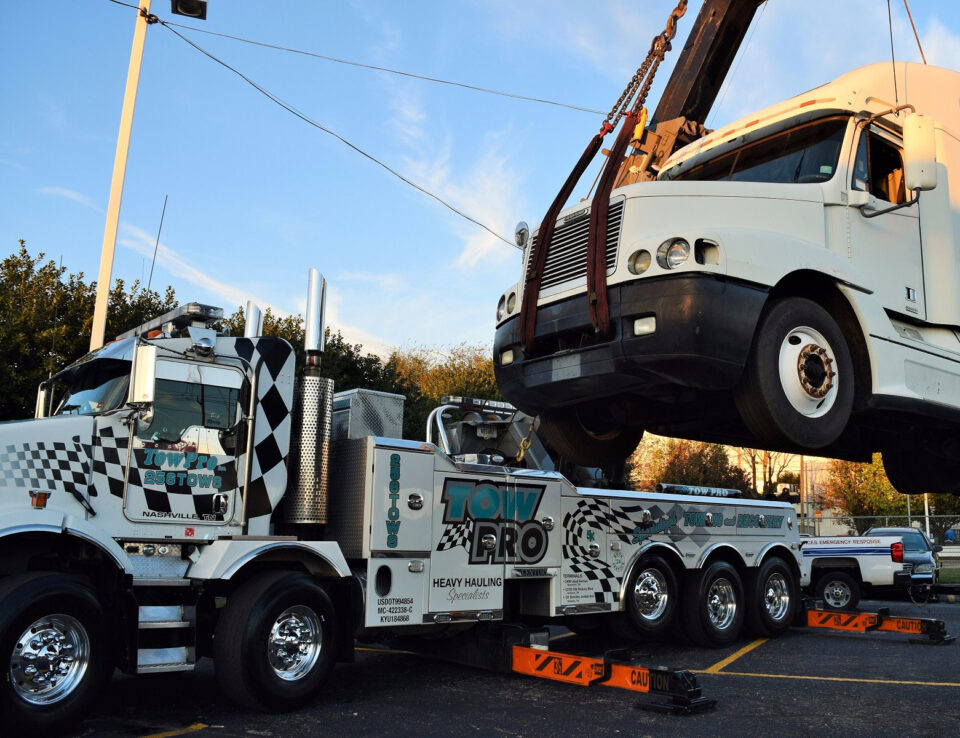
Heavy duty towing is designed to move large commercial vehicles and heavy machinery safely. Whether dealing with a breakdown, accident recovery, or planned equipment transport, understanding the process helps fleet owners, drivers, and businesses make informed decisions. This guide explains the costs, benefits, and step-by-step expectations of heavy duty towing services.
What Is Heavy Duty Towing?
Heavy duty towing is the transport or recovery of oversized vehicles such as semi trucks, buses, RVs, construction equipment, and industrial machinery. These services use reinforced towing equipment with high weight capacity, ensuring safe and stable handling.
Typical Costs of Heavy Duty Towing
Costs vary depending on several factors, including truck size, distance, location, and recovery difficulty. Common cost elements include:
- Hook-up fees
- Mileage charges
- Recovery or winching fees (if the vehicle is stuck or overturned)
- After-hours or emergency rates
- Special equipment usage (rotators, lifts, stabilizers)
While prices differ by region and job complexity, heavy duty towing is often priced according to equipment used and the time required to complete the service. When you need fast and safe Heavy Duty Towing, our experienced team is ready 24/7 to handle any emergency.
Key Benefits of Heavy Duty Towing
- Safe Handling of Oversized Vehicles
Heavy duty tow trucks are engineered to carry high-weight loads without causing additional vehicle damage.
- Efficient Recovery in Challenging Situations
Whether the truck is stuck, overturned, or positioned dangerously, the right equipment ensures controlled and secure recovery.
- Reduced Downtime for Businesses
Fast response and proper handling get vehicles to repair facilities sooner, helping businesses continue operations.
- Suitable for Multiple Vehicle Types
From semi trucks to construction machinery, heavy duty towing covers a wide range of heavy vehicles.
- Professional Operators
Trained specialists follow safety procedures to manage weight distribution, equipment setup, and vehicle security.
What To Expect: Step-by-Step Heavy Duty Towing Process
Below is the typical workflow you can expect when requesting heavy duty towing.
Step 1: Initial Assessment and Dispatch
You provide information such as vehicle type, location, condition, and situation details.
The towing company chooses the proper heavy duty tow truck and dispatches it to your location.
Step 2: On-Site Vehicle Inspection
Upon arrival, the operator assesses the vehicle’s condition, position, and surrounding environment.
This helps determine the safest recovery and towing method.
Step 3: Securing and Stabilizing the Vehicle
The operator sets up stabilizers, safety cones, and necessary equipment.
The vehicle is secured using chains, straps, underlifts, or winches to prevent shifting during movement.
Step 4: Safe Recovery or Lifting
If the truck is overturned, stuck, or off the road, recovery equipment is used to reposition or lift it.
Rotators, winches, and cranes may be used depending on the situation.
Step 5: Towing to a Repair Facility or Designated Location
Once secured, the vehicle is safely transported to a repair shop, storage yard, or specified location.
Operators monitor load stability throughout the journey.
Step 6: Final Inspection and Documentation
After the tow, the operator completes a final check of the vehicle’s condition.
You receive records, such as towing details, time logs, and charges.
Conclusion
Heavy duty towing is a reliable solution for transporting and recovering large vehicles. Understanding the costs, benefits, and process can help drivers and businesses prepare for unexpected issues on the road. With proper equipment and trained professionals, heavy duty towing ensures oversized vehicles are handled safely from start to finish.
