

Delta-8 THC has emerged as a widely discussed cannabinoid in Europe, especially in relation to vape cartridges. Often described as a “milder” alternative to Delta-9 THC, Delta-8 occupies a legal and regulatory gray area in many EU countries. As interest grows, so does the need for clear, factual information about what Delta-8 is, how it affects the body, and where it stands legally across Europe.
This article explores availability trends, potential effects, legal considerations, and frequently asked questions surrounding Delta-8 THC vape cartridges in the European Union.
What Is Delta-8 THC?
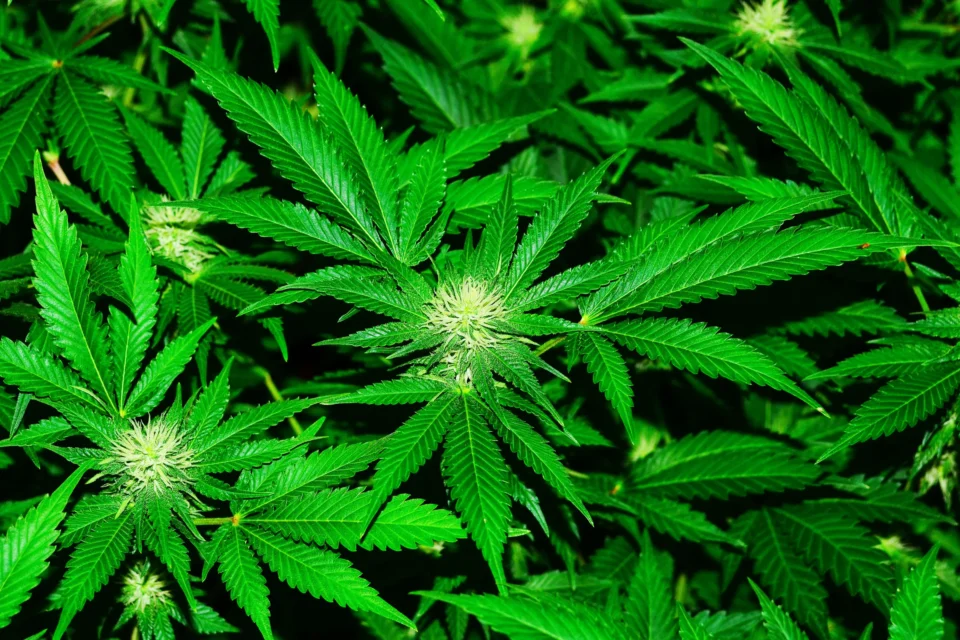
Delta-8 tetrahydrocannabinol (Delta-8 THC) is a naturally occurring cannabinoid found in small amounts in the cannabis plant. Structurally, it is very similar to Delta-9 THC—the primary psychoactive compound in marijuana—but with a slightly altered chemical bond.
Because Delta-8 occurs only in trace amounts naturally, most commercial Delta-8 products are derived from hemp-based CBD through chemical conversion processes.
Delta-8 THC Vape Cartridges Explained
Delta-8 vape cartridges typically contain:
- Delta-8 THC distillate
- A carrier oil or terpene blend
- Flavoring agents (often cannabis-derived or botanical)
Vaping is one of the fastest ways Delta-8 enters the bloodstream, which is why cartridges have become a focal point in discussions around effects and regulation. Check out the latest selection of Delta 8 THC Vape Cartridges EU available at StrainsHub EU for detailed product insights.
Availability of Delta-8 THC in the EU
Market Presence
Delta-8 products are far less common in Europe than in the United States. Where they do appear, they are often found:
- On cannabinoid-focused informational websites
- In discussions related to hemp-derived products
- In countries with less explicit cannabinoid legislation
Most EU markets primarily focus on CBD products, which are clearly regulated under EU hemp laws.
Regulatory Barriers
The limited availability of Delta-8 in the EU is largely due to:
- Unclear classification under EU narcotics laws
- Restrictions on synthetic or semi-synthetic cannabinoids
- THC limits imposed on hemp-derived products (commonly 0.2%–0.3%)
Because Delta-8 is often produced through chemical conversion, regulators may treat it differently from naturally extracted cannabinoids.
Effects of Delta-8 THC
While scientific research on Delta-8 is still limited, user reports and early studies suggest it may produce effects similar to Delta-9 THC, though generally described as less intense.
Commonly Reported Effects
- Mild euphoria
- Relaxation
- Altered perception
- Reduced anxiety (compared to Delta-9, according to anecdotal reports)
Potential Side Effects
- Drowsiness
- Dry mouth or eyes
- Impaired coordination
- Increased heart rate
Because vaping delivers cannabinoids rapidly, effects may be felt within minutes and can vary based on individual tolerance, dosage, and product composition.
Legal Status of Delta-8 THC in the EU
EU-Level Perspective
The European Union does not explicitly regulate Delta-8 THC as a distinct compound. Instead, legality is interpreted through:
- National drug laws
- Hemp and THC concentration limits
- Regulations on novel or synthetic substances
Country-by-Country Differences
- Strict countries: Nations with zero-tolerance THC laws may classify Delta-8 as illegal.
- Gray-area countries: Some countries lack explicit Delta-8 legislation, leading to legal ambiguity.
- Medical cannabis jurisdictions: Even where medical cannabis is legal, Delta-8 is often not included in approved frameworks.
Because of these differences, legality must always be assessed at the national level, not just EU-wide.
Safety and Consumer Awareness
Product Transparency
In regions where cannabinoid products are legally sold, authorities emphasize:
- Laboratory testing
- Accurate labeling
- THC content verification
- Absence of harmful solvents or contaminants
Unregulated products may lack these safeguards.
Health Considerations
Delta-8 THC may interact with medications or exacerbate certain conditions. Individuals with:
- Heart conditions
- Anxiety disorders
- Pregnancy or breastfeeding concerns
should exercise particular caution and seek professional medical advice.
The Future of Delta-8 in Europe
As cannabinoid research expands and cannabis policies evolve, Delta-8 may become more clearly regulated in the EU. Possible future developments include:
- Explicit classification under EU drug laws
- Inclusion in novel food or consumer safety regulations
- Greater scientific study on effects and risks
For now, Delta-8 remains a subject of legal debate rather than established regulation.
Frequently Asked Questions (FAQs)
Is Delta-8 THC the same as Delta-9 THC?
No. While chemically similar, Delta-8 THC is considered less potent than Delta-9 THC and may produce milder psychoactive effects.
Is Delta-8 THC legal in the European Union?
There is no single EU-wide answer. Delta-8 legality depends on national laws, THC limits, and how the substance is classified (natural vs. synthetic).
Can Delta-8 THC vape cartridges cause intoxication?
Yes. Delta-8 THC is psychoactive and may impair coordination, judgment, and reaction time.
Is Delta-8 derived from hemp?
Most commercial Delta-8 is produced from hemp-derived CBD through chemical processes, which is one reason regulators scrutinize it closely.
Are Delta-8 vape cartridges safe?
Safety depends on product quality, manufacturing standards, and individual health factors. Lack of regulation increases potential risks.
Can Delta-8 show up on a drug test?
Yes. Most drug tests cannot distinguish between Delta-8 and Delta-9 THC metabolites.
Is Delta-8 approved for medical use in the EU?
Currently, Delta-8 is not widely recognized or approved as a medical treatment in EU healthcare systems.
Final Thoughts
Delta-8 THC vape cartridges occupy a complex position in the European cannabinoid landscape. While interest continues to grow due to their perceived milder effects, legal ambiguity and limited research remain significant challenges.
For anyone researching Delta-8 in the EU, understanding local laws, health implications, and regulatory uncertainty is essential. As European cannabis policy evolves, clearer guidance on Delta-8 is likely to follow—but for now, informed caution is key.
