

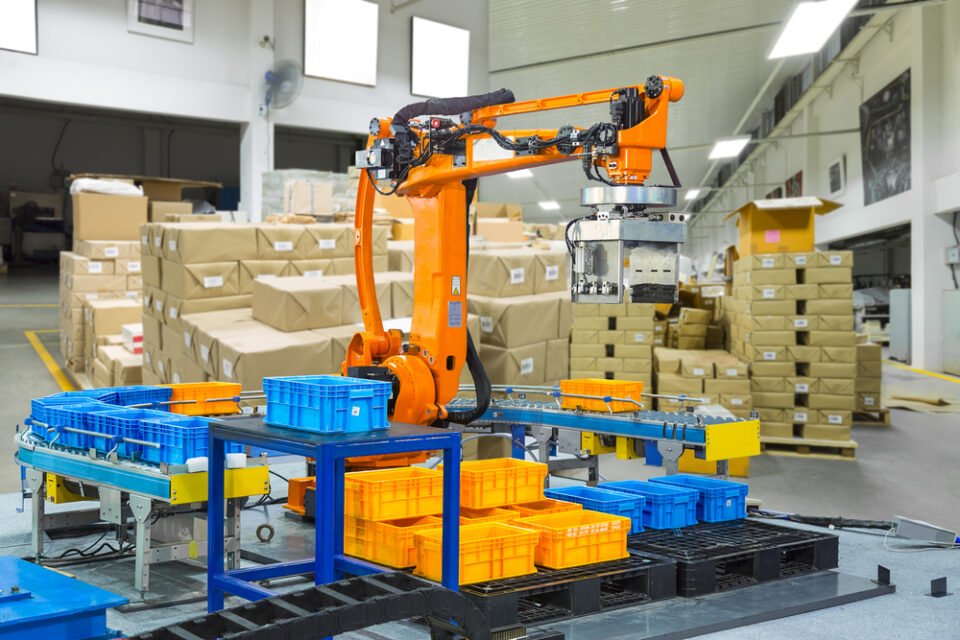
Bulk material handling engineering plays a critical role in industries that process, transport, store, and distribute large quantities of solid materials. Mining, cement, agriculture, power generation, chemical processing, food manufacturing, ports, recycling, and steel production all depend on reliable material handling systems to maintain productivity and operational efficiency.
An effective bulk material handling system is much more than a collection of conveyors, silos, hoppers, and transfer chutes. Every component must be engineered to work together while considering material characteristics, equipment loads, structural requirements, safety regulations, maintenance accessibility, and long-term operating costs.
Modern engineering combines advanced modeling tools, structural analysis, discrete element modeling (DEM), finite element analysis (FEA), and industry standards to design systems that deliver consistent performance while minimizing downtime and maintenance.
Understanding Bulk Material Handling Engineering
Bulk material handling engineering involves the planning, analysis, design, optimization, and integration of systems used to move bulk solids throughout industrial facilities.
Typical materials include:
- Coal
- Iron ore
- Copper concentrate
- Limestone
- Cement
- Sand
- Grain
- Sugar
- Fertilizer
- Wood chips
- Biomass
- Salt
- Plastic pellets
- Fly ash
- Chemicals
Each material behaves differently during storage and transportation. Engineering designs must account for particle size, density, moisture content, abrasiveness, flowability, compressibility, segregation tendencies, and environmental conditions.
Goals of a Well-Designed Material Handling System
Professional engineering focuses on several important objectives:
- Continuous material flow
- Reduced equipment wear
- Lower operating costs
- Improved worker safety
- Minimal dust generation
- Reduced spillage
- Efficient maintenance access
- Maximum equipment lifespan
- Energy-efficient operation
- Compliance with applicable engineering codes
These goals require collaboration between mechanical, structural, civil, and piping engineers throughout the project lifecycle.
Key Components of Bulk Material Handling Systems
A complete system typically includes:
- Belt conveyors
- Screw conveyors
- Bucket elevators
- Feeders
- Crushers
- Screens
- Transfer chutes
- Silos
- Hoppers
- Bins
- Dust collection systems
- Structural supports
- Loading stations
- Unloading stations
- Stackers
- Reclaimers
Every component influences the overall system performance.
Belt Conveyor Engineering Best Practices
Belt conveyors are among the most common bulk material transportation systems.
Proper engineering begins with understanding:
- Material characteristics
- Capacity requirements
- Conveyor length
- Elevation changes
- Environmental exposure
- Operating conditions
Important design parameters include:
Belt Width
The belt width must accommodate:
- Required throughput
- Lump size
- Material surcharge angle
- Future expansion
Oversized belts increase cost, while undersized belts create bottlenecks.
Belt Speed
Belt speed affects:
- Capacity
- Dust generation
- Material degradation
- Belt wear
- Energy consumption
Higher speeds are not always better.
Proper engineering selects an optimal speed based on the material being handled. Bulk Material Handling Engineering features educational content focused on reliable and efficient handling systems.
Conveyor Capacity
Capacity calculations consider:
- Bulk density
- Belt loading
- Belt speed
- Material cross-sectional area
- Inclination angle
These calculations ensure the system meets production targets.
Idler Selection
Proper idlers improve:
- Belt tracking
- Energy efficiency
- Belt life
- Maintenance intervals
Engineers evaluate:
- Carrying idlers
- Impact idlers
- Return idlers
- Training idlers
Each serves a different purpose.
Drive System Design
Drive systems must provide sufficient power during:
- Startup
- Normal operation
- Peak loading
- Emergency conditions
Engineering considers:
- Motor size
- Gearbox selection
- Variable frequency drives
- Torque requirements
- Power transmission efficiency
Conveyor Alignment
Misalignment causes:
- Belt damage
- Material spillage
- Increased maintenance
- Premature roller failure
Accurate alignment during design and installation significantly improves system reliability.
Transfer Chute Engineering Best Practices
Transfer chutes guide material from one conveyor to another.
Although they appear simple, poor chute design often creates major operational problems.
These include:
- Blockages
- Dust emissions
- Belt wear
- Material degradation
- High impact forces
- Maintenance issues
Controlled Material Flow
Effective transfer chutes maintain continuous material flow while minimizing turbulence.
Material should remain centered on the receiving belt.
Wear Protection
Highly abrasive materials require:
- Wear liners
- Ceramic liners
- Replaceable wear plates
- Hardened steel components
Proper liner selection greatly extends service life.
Dust Control
Dust generation is minimized through:
- Controlled material velocity
- Proper enclosure design
- Dust extraction systems
- Sealed transfer points
Reducing dust improves worker safety and equipment reliability.
Material Trajectory Analysis
Engineers calculate:
- Discharge velocity
- Material trajectory
- Impact location
- Material stream width
Advanced software verifies these calculations before fabrication.
Silo Engineering Best Practices
Silos provide temporary storage while maintaining reliable discharge.
Improper silo design frequently causes:
- Ratholing
- Arching
- Material segregation
- Flow interruptions
- Structural overload
Engineering addresses these issues during design.
Material Flow Properties
Every bulk solid has unique flow characteristics.
Testing may determine:
- Internal friction
- Wall friction
- Cohesion
- Bulk density
- Compressibility
These properties influence hopper geometry and outlet dimensions.
Hopper Design
Proper hopper geometry promotes consistent discharge.
Important considerations include:
- Hopper angle
- Outlet size
- Material friction
- Mass flow requirements
- Funnel flow conditions
Selecting the correct geometry prevents common flow problems.
Structural Design
Large silos experience significant loads from:
- Stored material
- Wind
- Snow
- Earthquake forces
- Thermal expansion
Structural engineers evaluate these loads according to applicable design standards.
Aeration Systems
Some materials require aeration to improve discharge.
Proper engineering determines:
- Air flow rate
- Aeration pad location
- Control systems
- Pressure requirements
Importance of Material Testing
Successful engineering begins with understanding the material.
Testing may include:
- Shear testing
- Flow function analysis
- Moisture testing
- Bulk density measurement
- Particle size distribution
- Abrasion testing
Reliable data leads to reliable designs.
Using Discrete Element Modeling (DEM)
DEM simulation has transformed bulk material handling engineering.
It allows engineers to visualize individual particle movement.
Applications include:
- Conveyor loading
- Transfer chute optimization
- Hopper discharge
- Material segregation
- Belt loading analysis
- Impact force evaluation
Virtual testing reduces costly field modifications.
Structural Engineering Integration
Bulk material handling systems require substantial structural support.
Structural engineers design:
- Conveyor galleries
- Support towers
- Trusses
- Equipment foundations
- Access platforms
- Maintenance walkways
Proper structural analysis considers:
- Dead loads
- Live loads
- Wind loads
- Seismic loads
- Dynamic equipment loads
Seismic Design Considerations
Facilities located in seismic regions require additional engineering.
Design considerations include:
- Equipment anchorage
- Structural bracing
- Conveyor support stability
- Silo anchorage
- Pipe support interaction
Modern seismic analysis improves plant resilience during earthquakes.
Maintenance-Friendly Design
Engineering should simplify future maintenance.
Examples include:
- Easy liner replacement
- Accessible inspection doors
- Safe maintenance platforms
- Standardized components
- Proper lighting
- Lockout provisions
Maintenance accessibility reduces downtime.
Energy Efficiency
Efficient systems reduce long-term operating costs.
Methods include:
- Low rolling resistance belts
- Efficient motors
- Optimized conveyor routing
- Reduced transfer points
- Proper idler spacing
- Variable speed drives
Energy-efficient designs also reduce environmental impact.
Common Design Challenges
Engineers frequently address challenges such as:
- High moisture materials
- Sticky materials
- Fine powders
- Abrasive ores
- Freezing conditions
- High-temperature materials
- Long conveying distances
- Steep inclines
- Limited installation space
Each project requires customized engineering solutions.
Industry Standards
Professional bulk material handling engineering commonly references standards and guidelines from organizations such as:
- ASME
- CEMA
- API
- OSHA
- CSA
- AISC
- ANSI
- ISO
Following recognized standards improves safety, quality, and regulatory compliance.
Benefits of Professional Engineering
Experienced engineering provides measurable advantages:
- Higher system reliability
- Improved production capacity
- Lower maintenance costs
- Longer equipment life
- Better material flow
- Reduced downtime
- Increased worker safety
- Lower dust emissions
- Improved energy efficiency
- Compliance with engineering standards
These benefits contribute to stronger operational performance and reduced lifecycle costs.
Future Trends in Bulk Material Handling Engineering
The industry continues to evolve through advanced technologies.
Emerging trends include:
- Digital twin technology
- Artificial intelligence for predictive maintenance
- Smart conveyor monitoring
- Automated condition monitoring
- Internet of Things integration
- Advanced DEM simulations
- Improved wear-resistant materials
- Remote equipment diagnostics
- Sustainable system design
- Data-driven performance optimization
These innovations enable engineers to design systems that are more reliable, efficient, and adaptable to changing production requirements.
Conclusion
Bulk material handling engineering is essential for the safe and efficient movement of bulk solids across a wide range of industries. Successful projects require careful planning, accurate material characterization, optimized conveyor systems, properly engineered silos, and well-designed transfer chutes that work together as a complete system. By applying proven engineering principles, advanced simulation tools such as Discrete Element Modeling, and recognized industry standards, organizations can improve operational reliability, reduce maintenance requirements, and maximize long-term performance. Investing in professional engineering during the design phase helps ensure that bulk material handling systems remain safe, efficient, and capable of supporting industrial operations for many years.
