


As one of the few members of the European Nation that regulates the crypto market, Lithuania is ready to embrace digital assets as legal financial transactions.
The cryptocurrency market’s revenue is expected to reach 24.04 million EUR by 2024. Revenue is estimated to grow at a 6.24% yearly rate (CAGR 2024-2028), with a projected total of 28.83 million EUR by 2027.
However, if you wish your company to provide digital wallets and other crypto-related services, obtaining a cryptocurrency license – Lithuania is a must.
Read the comprehensive below to find out how.
Crypto licensing regulatory framework in Lithuania
Before diving deep into crypto license in Lithuania, here are two types of crypto license that you need to understand:
- Crypto exchange license enables you to facilitate the trade of cryptocurrencies and receive a commission for each successful transaction.
- Crypto wallet and custodian services license allow you to store and manage users’ cryptocurrencies.
Both licenses are under supervision of the Financial Crime Investigation Service (FCIS) of Lithuania.
For the regulation, Money Laundering and Terrorist Financing Prevention Act, Order No V-5, provides detailed guidelines for operators of crypto exchanges and custodian wallets, specifying operational requirements and risk management protocols.
How to obtain crypto license in Lithuania
Before getting a crypto license in Lithuania, first you need to select the license type that matches your business. Different licenses will need different requirements.
After that, register your business as a limited liability company (UAB) and obtain a tax identification number via the Lithuanian Centre for Registers.
Note that you need to prepare the capital requirements, depending on your business type:
- Virtual Currency Exchange: 250,000 EUR
- Custodial Wallet Provider: 500,000 EUR
- Cryptocurrency Issuer: 125,000 EUR
Next, develop and implement robust Anti-Money Laundering (AML) and Know Your Customer (KYC) procedures to comply with Lithuanian and EU regulations. These should include customer identification, verification, risk assessment, and transaction monitoring.
If it’s too complicated for you, hire a qualified AML/KYC officer who possesses relevant expertise and understands the regulatory landscape.
Once all the requirements are ready, follow these steps:
- Choose an attorney as your company representative if you plan to submit the documents remotely. Even if you don’t, you can still hire the representative to lessen your burden.
- Ensure all of the requirement documents are ready. The documents should all be in Lithuanian. If they are not, Lithuanian sworn translations are required.
- Collect the documentation of the individuals involved in your company – it should at least have one person as the director, and another one as the Money Laundering Reporting Officer (MLRO).
- Submit the application to FCIS for the crypto license. If approved, the FCIS will issue the crypto license, specifying the permitted activities and regulatory obligations.
The entire process, from application submission to license issuance, typically takes 4-6 months.
Opportunities of crypto licensing in Lithuania
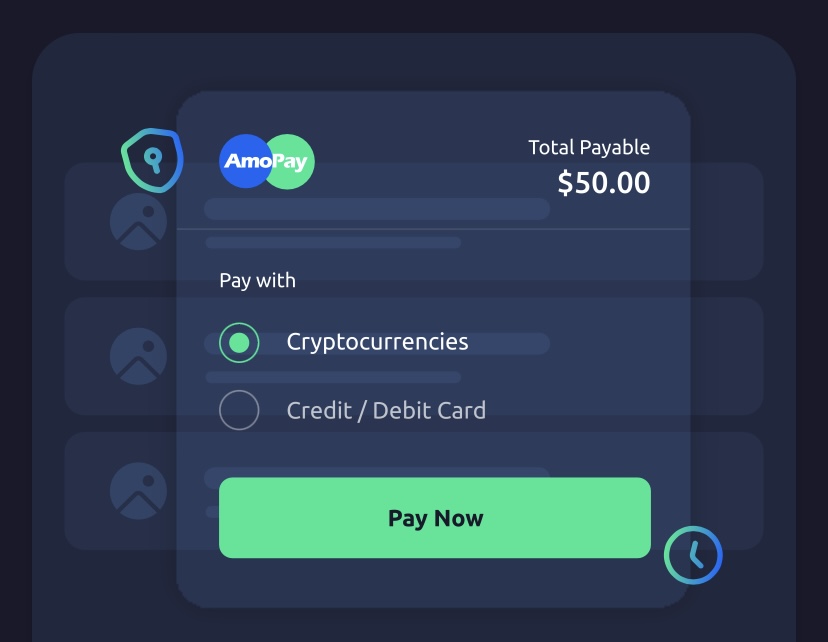
Obtaining a crypto license in Lithuania can be challenging. However, it should not stop you from getting one. The following success story of AmoPay, a leading player in the digital currency market, should inspire you.
AmoPay is one of Lithuania’s first licensed cryptocurrency exchange and wallet service providers. The company demonstrated great preparation during their application process.
For starters, the team behind AmoPay created a comprehensive business plan, executed strong AML/KYC regulations, and assembled an experienced workforce, demonstrating competence and credibility to authorities.
Beyond compliance, AmoPay’s app showcased their creative approach to digital asset management. Its emphasis on providing secure and user-friendly crypto wallets, together with plans for educational activities, resonated with Lithuanian authorities looking to promote responsible cryptocurrency utilization.
Since obtaining the license, AmoPay has experienced constant development, bringing in users and extending their service offerings. Their performance shows the advantages of successfully navigating the Lithuanian crypto licensing procedure and capitalizing on the country’s positive regulatory environment for future growth.
By complying to stringent licensing standards, AmoPay helps build a more secure and reliable crypto environment in Lithuania.
Their success encourages other responsible companies to enter the market, ultimately improving the general reputation and promoting user confidence in the industry as a whole.
Takeaway
While difficult, obtaining a crypto license is crucial to enhance your brand’s credibility and trust. In a sector plagued by skepticism and fraud worries, having a crypto license shows that your company is a reputable and trustworthy fintech provider.
A bit overwhelmed? There’s always a shortcut for everything. Demire Inc. is here to guide you in navigating the complex crypto licensing procedures in Lithuania.
Simply contact our experts, tell us your requirements, and we’ll be happy to handle your registration process from start to finish.If you’re looking to establish other types of electronic money businesses, read this EMI license: Lithuania guide for the complete explanation.
